
Why Upholstery Cleaning Can Be More Complicated Than Carpet Cleaning
By Neil Worsnop
Neil Worsnop has been professionally cleaning carpets and upholstery throughout South Warwickshire since 2011. Having cleaned hundreds of sofas, armchairs and upholstered furnishings in homes and businesses across Leamington Spa, Warwick, Kenilworth and the surrounding villages, he has first-hand experience of the challenges presented by different upholstery fabrics.
Many people assume that cleaning upholstery is much the same as cleaning carpets. In reality, upholstery cleaning often requires even greater care because of the wide variety of fabrics used in modern furniture.
While most carpets are manufactured from either wool or synthetic fibres such as polypropylene, upholstery fabrics are frequently made from blends of different fibres. These combinations can behave very differently during cleaning, making it essential to identify the fabric before deciding on the most appropriate cleaning method.
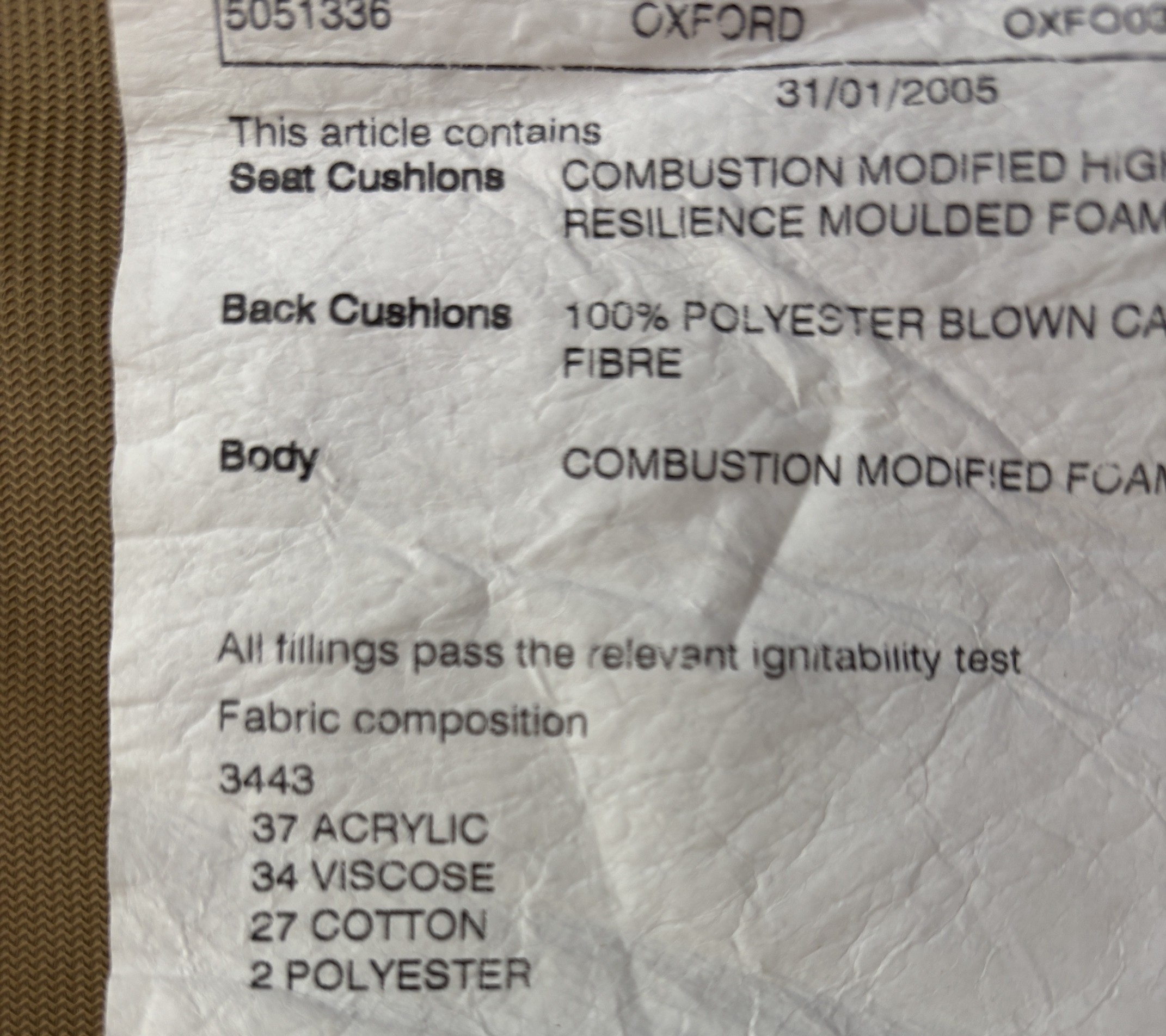
Fibre Blends Can Behave Differently
Modern upholstery fabrics are often made by combining natural and synthetic fibres to achieve a particular appearance, texture or durability.
Cotton may be blended with polyester, while viscose is often blended with other fibres to improve its performance. Each fibre responds differently to moisture, cleaning solutions and drying, meaning there is rarely a single cleaning process that is suitable for every fabric.
Professional upholstery cleaning begins with identifying exactly what the fabric is made from.
Some Fabrics Are Sensitive to Moisture
Certain upholstery fabrics require particular care when wet.
Some fabrics contain indicator dyes that can change colour if exposed to unsuitable cleaning products or incorrect cleaning conditions. Others may be prone to slight shrinkage if excessive moisture is used.
Viscose deserves special consideration. In many flat woven fabrics it can be cleaned successfully using the correct methods, but viscose velvet can be far more sensitive to moisture and may suffer permanent texture changes or damage if cleaned incorrectly.
These are some of the reasons why upholstery cleaning often requires more careful moisture control than carpet cleaning.
Why Fibre Identification Matters
Before cleaning begins, a professional cleaner will normally identify the fibre type and assess how the fabric is likely to respond. A small test can be conducted somewhere not visible. This may include a drop of the cleaning solution being applied and observed for colour change or dye instability.
This helps determine the safest cleaning method, the most appropriate cleaning products and how much moisture can be used. Taking the time to identify the fabric helps minimise the risk of colour change, shrinkage and other unwanted results while achieving the best possible clean.
Neil's Professional View
During my years cleaning upholstery throughout South Warwickshire, I have found that successful upholstery cleaning is rarely about using the strongest cleaning product or the most powerful machine. It is about understanding the fabric and selecting the safest cleaning method for that particular piece of furniture.
Every sofa or chair is different, and careful fibre identification is one of the most important steps in achieving excellent results while protecting the appearance and longevity of the fabric.
About the Author
Neil Worsnop has been professionally cleaning carpets and upholstery throughout South Warwickshire since 2011. He has extensive experience cleaning wool, synthetic and natural fibre carpets in homes and businesses across Leamington Spa, Warwick, Kenilworth and the surrounding villages, combining practical experience with industry best practice.
Have a question or want a free quote?
Get in Touch